
Every house already has a manual. The trouble is that it’s usually stored in two or three heads: the housekeeper who knows the family likes the bread toasted on one side only, the gardener who remembers which tap feeds the lemon trees, the house manager who can find the spare keys to the boathouse in the dark. When one of those heads leaves, a chunk of the house leaves with it, and the family ends up explaining Sunday lunch all over again to somebody new. A house manual for household staff is simply that knowledge put on paper, in one place, kept current, so the house runs the same way whoever happens to be on duty.
What a house manual is, and what it isn’t
We call ours the House Book, and it’s the manual of one particular house: how the family likes things done, what’s in each room, the routines, the suppliers, what to do when the power goes. It is not the employment contract, and it shouldn’t try to be. Hours, pay, days off and the trial period belong in the contract or the letter of employment, which in Italy the national agreement for domestic work requires in writing, signed by both sides. The ILO’s convention on domestic work asks for the same thing in general terms, that staff are told their terms “in an appropriate, verifiable and easily understandable manner”, preferably in a written contract.
Trouble starts the day they contradict each other. Book: cook off on Sundays. Contract: Mondays. Guess which one a judge would read (not the book), and meanwhile there’s a row brewing by the stove. We write with the contracts open on the desk for exactly that reason, and keep the house rules (breaks, phones, whether staff can have a friend round, where everybody eats) in step with what people actually signed.
What goes in a house manual
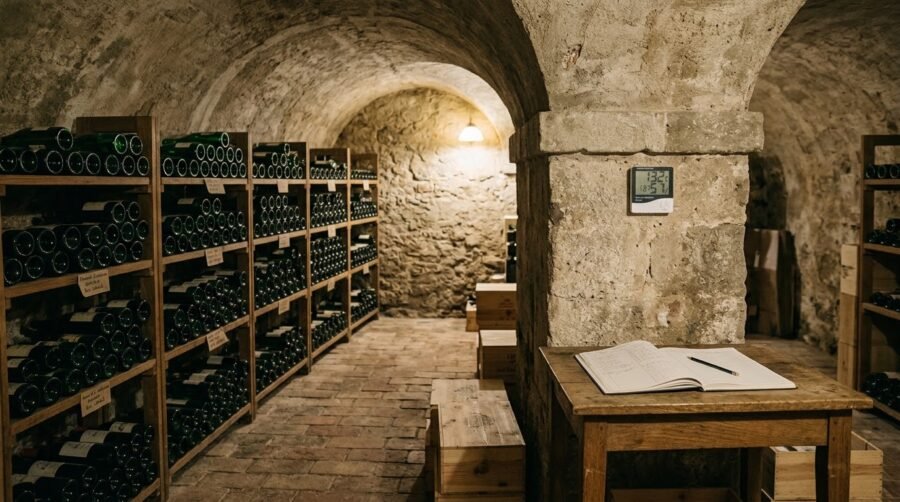
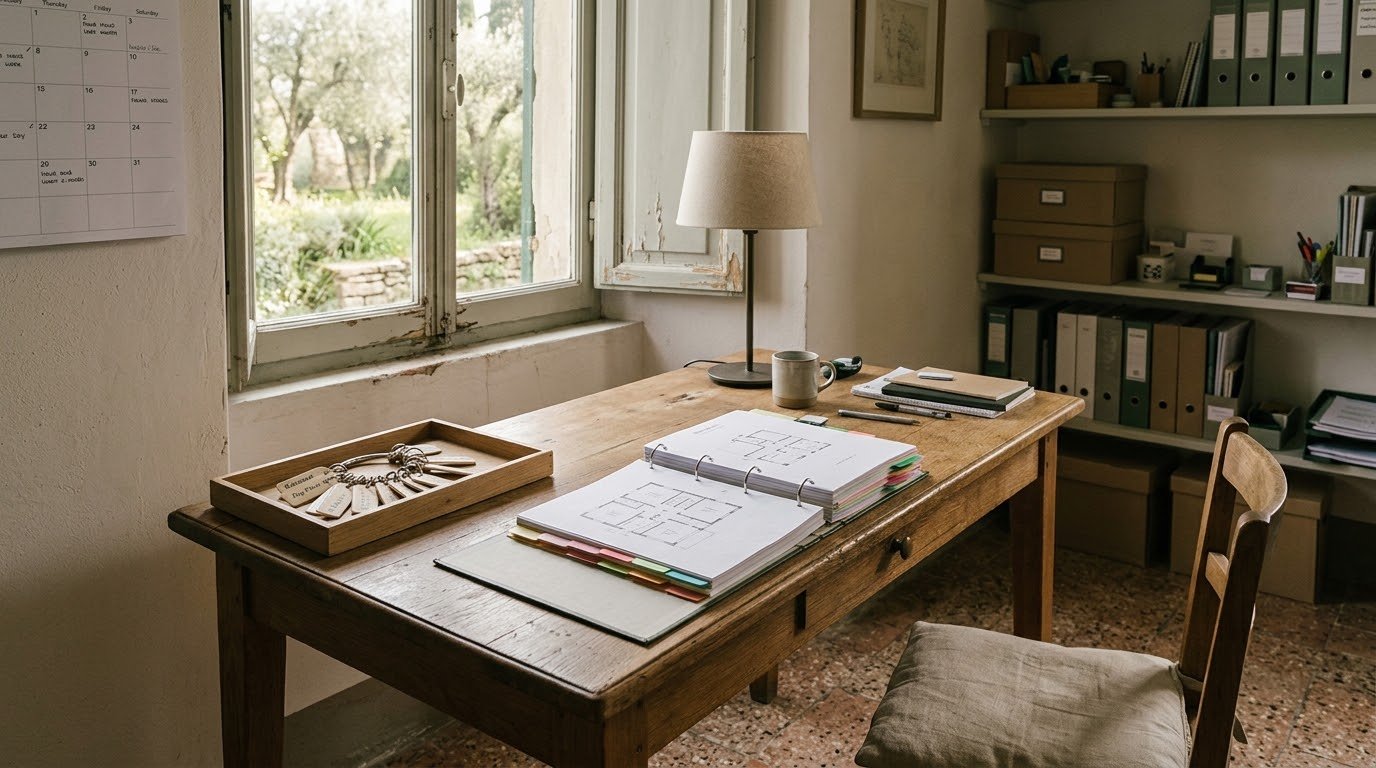
Our own House Book has fifteen sections, which sounds like a lot until you notice they’re really just the questions a new person asks in their first fortnight, usually in a slightly anxious whisper. First come the people: a short profile of the household, the family’s little habits (tray upstairs or breakfast in the dining room, which newspapers, which doors stay shut) and a tour of the house, room by room. Then the things, meaning inventories of silver, crystal, porcelain, linen, art and wine, and a key register, the page where the cellar key at last acquires an owner (and a decent spot to jot down the temperature and humidity the wine cellar should hold).
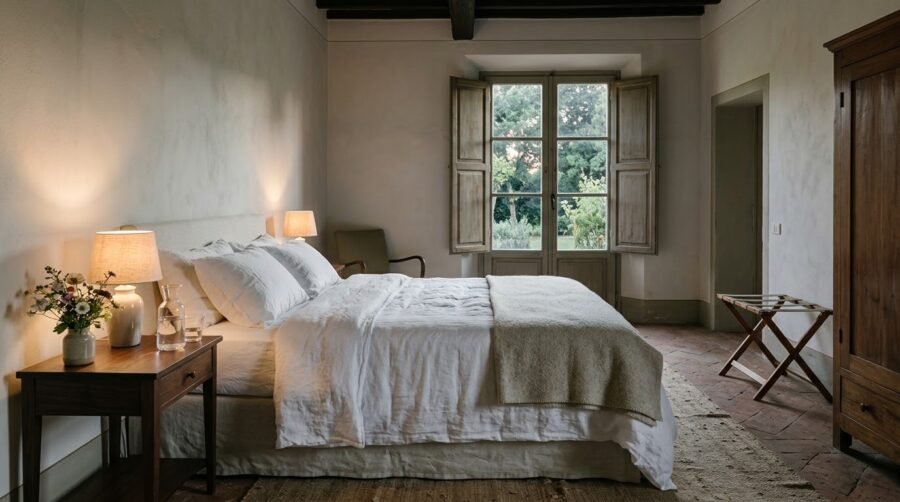
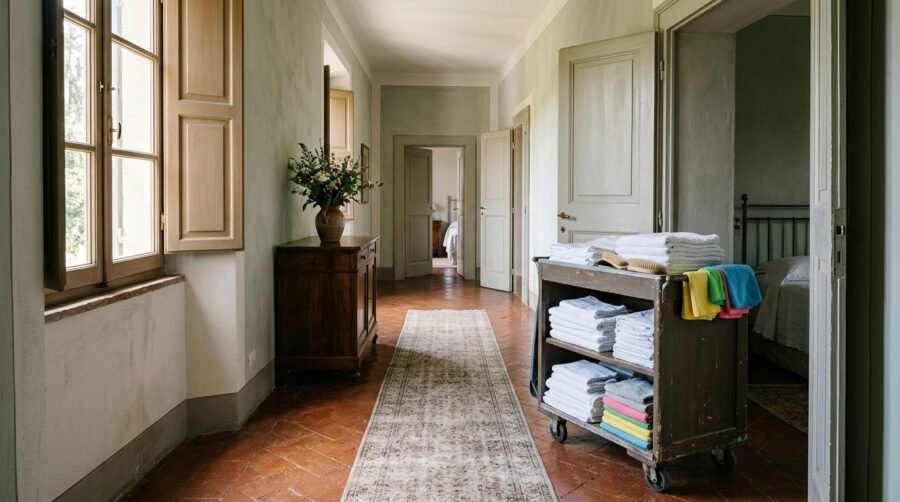
The routines get the most pages, from the daily round to the seasonal jobs, and they’re what eventually turns into the cleaning schedule for a large house and the turndown standard for every guest room. Then whom to ring when the boiler sulks, the pool turns green or a shutter jams. Then the unglamorous lifesavers: stopcocks, the fuse board, the alarm company’s number, an out-of-hours vet. How guests and dinners are handled, who on the team does what and who covers on their day off, opening and closing the house, the cars, the maintenance calendar. And right at the back, a change log, the dullest page in the book and quite possibly the most important.
What stays out of the book
Alarm codes, safe combinations and passwords never go in. Not on a back page, not in pencil, not “just in this copy”. A manual gets photocopied, left on a counter, photographed by a well-meaning temp on their phone, and the whole point of a code is that it isn’t written next to the door it opens. The book can say who holds the codes and how to reach them, and that’s all.
Health details are the other exclusion. A guest’s allergy or a family member’s condition matters enormously to the people cooking and serving, but it’s sensitive personal data under both the GDPR and the Swiss data protection act, so it lives on a separate restricted sheet that only the people who need it can see, and it gets updated or shredded rather than left to drift through the house in an old copy of the manual. If there are cameras in the house, by the way, the Italian domestic work agreement expects the letter of employment to say so (it’s one of the things the letter has to state), and a plain line in the manual about where they are does no harm either.
How to write one without it taking a year
Walk it. Honestly, that’s the quickest method we’ve found. Notebook in one hand, phone in the other, start at the front door and work your way round, scribbling what’s in each room and what goes on there, and snapping the dull stuff nobody can ever find when it matters (the fuse board, the water meter, the pool pump, the inside of the linen cupboard). Then grab each member of the team on their own, over a coffee, and ask what they wish someone had told them in week one. You’ll be surprised how much of the book writes itself from those chats.
Keep the language plain and the sentences short, and write it in whatever language the team actually reads best, which in a mixed household may well mean two versions side by side. Every page gets a date. And the book needs an owner, one named person, usually the house manager, whose job is to keep it true, because a manual that’s right in May and wrong in September is worse than no manual at all: people learn to stop trusting it. Our piece on what a house manager does goes into how that role usually looks.
Keeping it alive
The change log at the back is how the book stays honest. New supplier? Different pillows in the blue room? Somebody’s gone vegetarian? One line each in the log, with a date and initials. Each season, ideally around the opening or the closing, whoever owns the book reads it cover to cover, pencil in hand, and fixes what’s gone stale. There’s a printed copy in the staff office and a digital one behind a proper password, both dated on the cover, because two versions of the truth is how last year’s instructions sneak back in. When someone leaves, the last conversation before they go is worth an hour of anybody’s time: what they knew that isn’t written down yet. At a seasonal house that conversation fits naturally into closing a summer house properly.
Handing it to a new member of staff
Please don’t hand a newcomer the book and leave them to read it on their first morning; nobody learns a house like that. It’s meant for walking. On day one somebody who knows the place takes them round with the book under one arm, and the pages get turned in the rooms they describe. Over the next few weeks the jobs that have to be done one particular way (the breakfast tray, opening the pool, the silver) get shown, tried, tried again and ticked off, and that’s when written procedures really earn their keep. A newcomer with the book in hand asks better questions, and the family, quite quickly, stops noticing that anyone new has arrived. Which is the whole idea.
The House Book kit is the structure we use, as an editable Word template with fifteen sections, a fully worked example for a fictional villa on Lake Como and a plan to finish yours in a week. For the routines themselves, The Household SOP Library has forty procedures ready to adapt. If you’d rather we wrote the book with you, that’s household consulting: two days in the house, an honest diagnosis and the House Book agreed with you room by room, as described in how we work. Either way, tell us about the house.
Questions
What should a house manual for household staff include?
A profile of the household and the family's preferences, the house room by room, inventories and a key register, daily, weekly and seasonal routines, suppliers and contractors, safety and emergencies, guests and events, the team and who covers for whom, opening and closing the house, and a change log.
Is a house manual the same as an employment contract?
No. The contract or letter of employment sets hours, pay, days off and the trial period, and in Italy it must be in writing and signed by both parties. The manual explains how the house runs, and it should never contradict the contract.
Should alarm codes and passwords be in the house manual?
No. Manuals get copied and left around. The book can say who holds the codes and how to reach them, but the codes themselves are never written in it.
Who should keep the house manual up to date?
One named person, usually the house manager, who logs every change with a date and reads the whole book through once a season, ideally when the house opens or closes.
We write the Journal from our own work in private houses in Italy and Switzerland. Every house has its own rules: take what fits yours, and ask us about the rest.
Sources
- International Labour Organization, Without contracts, domestic workers’ rights unprotected (28 August 2015)
- Assindatcolf, CCNL lavoro domestico 2025–2028, full text (art. 6, the letter of employment)
- Regulation (EU) 2016/679, General Data Protection Regulation (Article 9)
- Federal Act on Data Protection (FADP), SR 235.1 (Article 5)